
Ask Your Septic Company These 4 Questions About Your System
Understanding how your septic system works is one of the most practical ways to protect your home and avoid disruptive surprises. While a septic company handles inspections, pumping, and repairs, homeowners still play a major role by asking informed questions and staying engaged in the care process. Clear communication helps ensure that your system is maintained properly and that small concerns are addressed before they turn into major problems.
Many homeowners rely on their septic system every day without fully understanding its design or maintenance needs. That lack of familiarity can lead to avoidable issues, especially when warning signs are overlooked or service is delayed. By working closely with a septic service and seeking clear explanations, you gain insight into how your system functions and what it needs to perform reliably over time.
1. Identify Your Septic System Type
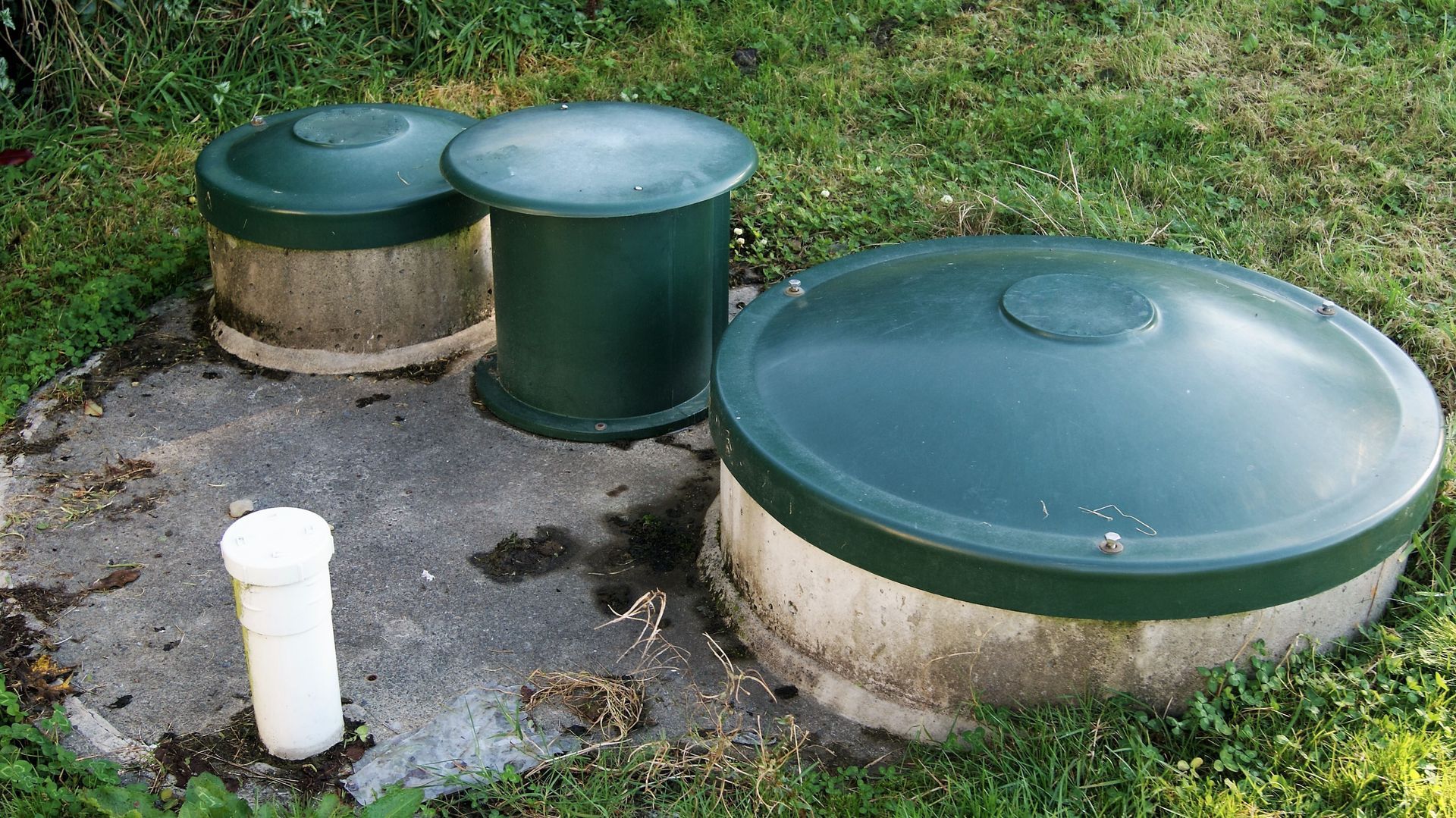
Knowing what kind of septic system you have is the foundation of responsible ownership. Systems vary widely based on design, treatment method, and installation conditions, and each type has its own care requirements. A septic company can explain whether your home uses a conventional gravity-based system, an aerobic treatment setup, or an alternative design suited for challenging soil or drainage conditions. That clarity allows you to understand how wastewater is processed and what components require the most attention.
System type also influences how frequently inspections are needed and what kind of upkeep is expected. Some designs rely on mechanical or electrical components, while others depend more heavily on soil conditions and gravity. When you understand these differences, you are better prepared to recognize unusual behavior and communicate concerns accurately. A knowledgeable homeowner can work more effectively with a septic service to maintain consistent system performance.
Capacity is another critical factor tied to system type and household size. According to This Old House, homes with two or three bedrooms generally require a septic tank with a minimum capacity of 1,000 gallons, which helps prevent overloading and premature wear. Discussing capacity with your septic company ensures that your system is appropriately matched to your household’s needs and that maintenance plans align with actual usage.
2. Determine the Right Pumping Schedule
Pumping is one of the most important services a septic company provides, yet many homeowners are unsure how often it should be done or why timing matters so much. The ideal pumping schedule depends on several variables, including tank size, daily water usage patterns, and how consistently plumbing fixtures are used throughout the home. Lifestyle factors such as frequent laundry loads or extended guest stays can also affect how quickly solids accumulate in the tank. Asking direct, detailed questions allows a septic service to tailor recommendations that align with real household habits and support long-term system health.
It is equally important to understand the warning signs that pumping may be overdue so problems can be addressed before disruption occurs. Slow-draining sinks, toilets that struggle to flush properly, or unusual gurgling sounds often indicate that the tank is nearing capacity. Lingering odors inside the home or around the yard may also signal that waste is no longer being contained effectively. A septic company can explain what to monitor and when service should be scheduled, helping homeowners respond quickly and reduce the risk of backups or drain field damage.
Skipping regular pumping places unnecessary strain on the entire system and increases the likelihood of failure over time. When solids are not removed promptly, they can migrate into parts of the system that are not designed to handle heavy buildup, restricting flow and reducing treatment efficiency. This added stress can shorten the lifespan of critical components and lead to costly repairs. By discussing pumping intervals openly with a septic company, homeowners gain clarity, avoid emergencies, and maintain steady system operation with greater confidence and predictability.
3. Clarify Ongoing Maintenance Responsibilities
Routine maintenance goes beyond pumping and plays a major role in extending the life of your septic system while preserving consistent performance. Regular inspections allow professionals to evaluate tank condition, observe sludge and scum accumulation, and confirm that internal components are functioning properly. During these visits, a septic service may also assess surrounding conditions that could affect system efficiency, such as soil saturation or drainage patterns. Clear explanations of inspection findings help homeowners understand how current conditions influence future service needs and maintenance timelines.
Homeowners often wonder which maintenance tasks they can manage on their own and which should always involve professional expertise. Everyday habits such as using water efficiently, spacing out heavy water use, and keeping non-degradable materials out of drains support system health between service visits. However, technical evaluations, adjustments, and repairs require specialized training and equipment that only a septic service can provide. Professional oversight helps uncover subtle issues that may not present obvious symptoms but could worsen if left unaddressed.
Establishing a structured maintenance plan creates predictability and confidence in long-term system care. When service intervals, inspection expectations, and responsibilities are clearly defined, homeowners can budget appropriately and avoid rushed decisions during unexpected situations. A well-documented plan also makes it easier to track system history and identify patterns that may require attention. Consistent collaboration with a septic company ensures that maintenance remains proactive rather than reactive, protecting both the system and the surrounding environment over time.
4. Understand Repair and Replacement Expectations
Knowing how repairs are handled helps homeowners prepare for unexpected issues and avoid confusion during urgent situations. A septic company can explain which components are most likely to require repair over time and how those repairs are typically approached. Understanding whether issues can be resolved with minor adjustments or if they may require more extensive work allows homeowners to plan realistically and respond calmly when problems arise.
It is also important to discuss how repair recommendations are communicated and documented. A reputable septic service should clearly outline the cause of any issue, the proposed solution, and the potential consequences of delaying service. This transparency helps homeowners weigh options and make informed decisions without feeling pressured. Clear explanations also make it easier to compare recommendations if a second opinion is ever needed. Written documentation further provides a reference point for future maintenance planning and helps ensure consistency across service visits.
Replacement is another topic that should not be avoided, even if the system is currently functioning well. Every septic system has a finite lifespan, and asking a septic company about long-term expectations provides valuable perspective. By understanding warning signs and estimated timelines, homeowners can budget and plan ahead rather than reacting to a sudden failure. Proactive conversations about repairs and replacement contribute to smoother ownership and fewer disruptions over the life of the system.
Asking the right questions transforms septic care from a mystery into a manageable part of homeownership. Understanding your system type, setting an appropriate pumping schedule, and clarifying maintenance responsibilities all contribute to smoother operation and fewer disruptions. Open dialogue empowers homeowners to make informed decisions and recognize when professional support is needed.
When you partner with a knowledgeable septic company, you gain more than a service provider—you gain a resource for long-term system performance. If you are ready to take a more informed approach to septic care, we invite you to reach out to us at Imperial Septic Tank Service.
Share On: